History
Asia's Monarchies
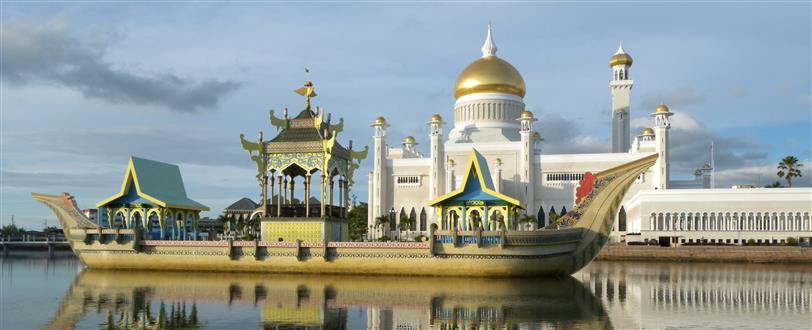
Asia's Monarchies investigates the relationship between the people of Asia and their monarchs.
Asia's Monarchies investigates the relationship between the people of Asia and their monarchs.
- Production Company
- MCN/Off the Fence
- Duration
- 5x60'
- YOP
- 2010
- Definitions
- HD, SD
- Content Type
- Series
- Modern History
- Royalty
Synopsis
As Asia continues to be the fastest-growing economic region in the world, will Asia’s monarchies be able to keep the pace? Asia’s Monarchies are all unique, but there is one thing they all share in common - all are at a fascinating point in their various histories. In this five-part series we journey to the heart of these beautiful lands to understand the relationship between the people and their monarchs. To many, their monarchy is an anachronism – an institution that hampers progression. To others it is the heart and soul of their nation, part of their shared history and a guard against the dangers of modernity. What is clear is that Asia's monarchies are at a tipping-point and that what happens to each of them will hasten a new era that will affect not only the East but the whole world.
Asia's Monarchies
1. Japan
The Japanese Imperial family is the oldest hereditary monarchy in the world, dating back to the sixth century BC. However, its central role Japan has not prevented controversy in recent years. Through personal scandals, and vagaries of the hereditary system, even to their own biology, it’s been a rocky time. But what is left if every tradition is changeable?
2. Bhutan
Bhutan's governing party pledged recently to follow the policies of the absolute monarchy it is replacing, after it won a landslide in the country’s first parliamentary elections. This remote, beautiful country truly is in the throes of a noble experiment. What makes this experiment unique is that this move towards democracy has been initiated by the ruling monarch himself.
3. Cambodia
King Sihanouk retired in 2004, giving way to his son, Sihamoni - a ballet dancer. Unlike many monarchies, Cambodia's is not hereditary - rather the next monarch is chosen by the National Assembly from a pool of eligible candidates. When Sihamoni was chosen, what sort of monarch were they hoping to crown?
4. Nepal
In 2008, Nepal's monarchy was ousted from power, turfed out of their palaces, and the country began a new era as a republic. The story of the fall of the house of Shah is one of bloodshed, betrayal and intrigue. The transformation from kingdom to republic was swift, dramatic, and leaves huge questions unanswered about the future.
5. Brunei
Brunei may be one of the richest nations in the world, but financial problems have beset even their royal house. The sultan has recently made moves towards some form of partial democracy. However, it is up to him whether or not he introduces it. Why did he make a move to do so, and then let it drop?