Nature & Wildlife
The Humboldt Current
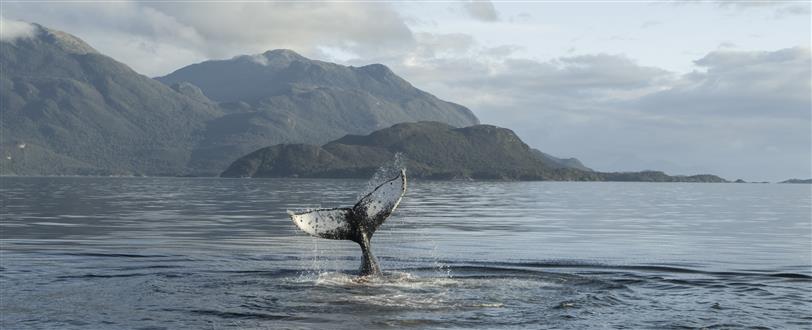
Discover the The Humboldt Current that promotes a food web that can support the largest creatures to ever live on our planet and encourages life to thrive in places where it should be barren.
Discover the The Humboldt Current that promotes a food web that can support the largest creatures to ever live on our planet and encourages life to thrive in places where it should be barren.
- Production Company
- VisionHawk Films & Prospect TV/Aquaterrafilms & Nedo Producciones/Off the Fence/CuriosityStream
- Duration
- 3x52'
- Original Language
- English
- YOP
- 2021
- Definitions
- UHD, HD
- Content Type
- Series
- Blue chip
- Ocean & Water
Synopsis
As it flows north from Patagonia to the equator, the Humboldt Current is a liquid force which enables life in the sea and on land. A female blue whale is the avatar we follow as she exploits the current from its genesis in the chilly seas off Antarctica to her breeding ground in the tropics. Along the way, the current provides a banquet for large and minute marine creatures, while it impacts weather miles from the coast. Episode One begins with the birth of the Current in southernmost Chile, Episode Two follows the long stretch of coast to Peru, and Episode Three explores the current as it veers towards the open Pacific to impact the Galapagos Islands. It not only feeds the largest creatures ever to live on Earth - blue whales - it fuels the lynch-pins of the ocean’s food web, krill. Upwelling from the deep powers an explosion of krill that supplies behemoths beyond the blues: Sei whales, pilot whales and orcas vie for resources while humpbacks sing. It’s the only place to see Southern marine otters. Southern sea lions and fur seals interface with the smaller, acrobatic otters. There are so many seabirds that the rarest of the rare mingle with common species, and penguin colonies thrive at a latitude far from the icy temperatures of Antarctica. Offshore, it brings life-saving moisture to the driest place on Earth, the Atacama Desert. From the chill of its deepest depths to the wind on its highest cliffs, the current reveals a study in survival. This series follows the mysterious ocean highway from its birth in the ice to its arrival in the tropics, and probes the little-known enigmatic ocean forces that power its influence along the entire journey. From pumas prowling through the striking mountains of Patagonia, to kingfishers in the temperate rainforest … from vampire bats in coastal caves to bizarre avian courtships, every creature in this part of the world owes its existence to the mysterious and powerful Humboldt Current.
The Humboldt Current
1. Genesis
As it flows north from Patagonia to the equator, the Humboldt Current is a liquid force which enables life in the sea and on land. A female blue whale is the avatar we first meet in the chilly seas at the southern tip of Chile, and we’ll follow her ancestral migration throughout the episode and the series as we see how the current forms and where its influence is most strongly felt. Off Patagonia, the current is rich with plankton and krill due to upwelling from the deep, and our blue whale enjoys a tremendous feast. The krill also feeds many other marine creatures and seabirds, while it impacts weather miles from the coast. Inland, it brings life-saving moisture to the driest place on Earth, the Atacama Desert. Pumas prowl the desertscape in search of prey or carrion, and the spectacular geology of Patagonia is the backdrop for dramas of survival. Closer to the coast, the lush Valdivian rainforest is almost always wet, thanks to fog that develops when the cold air rising from the current meets the mountains. Glacial runoff brings vital minerals and nutrients to the many streams that lace through this part of Chile, and when they meet the sea, a perfect ecosystem is born for shorebirds and other animals to find food. Several species of rare dolphin search for fish in the bays and inlets and even orcas and humpbacks visit the fertile waters. Our blue whale lingers for quite some time here, preparing her massive body for the journey ahead …
2. Renewal
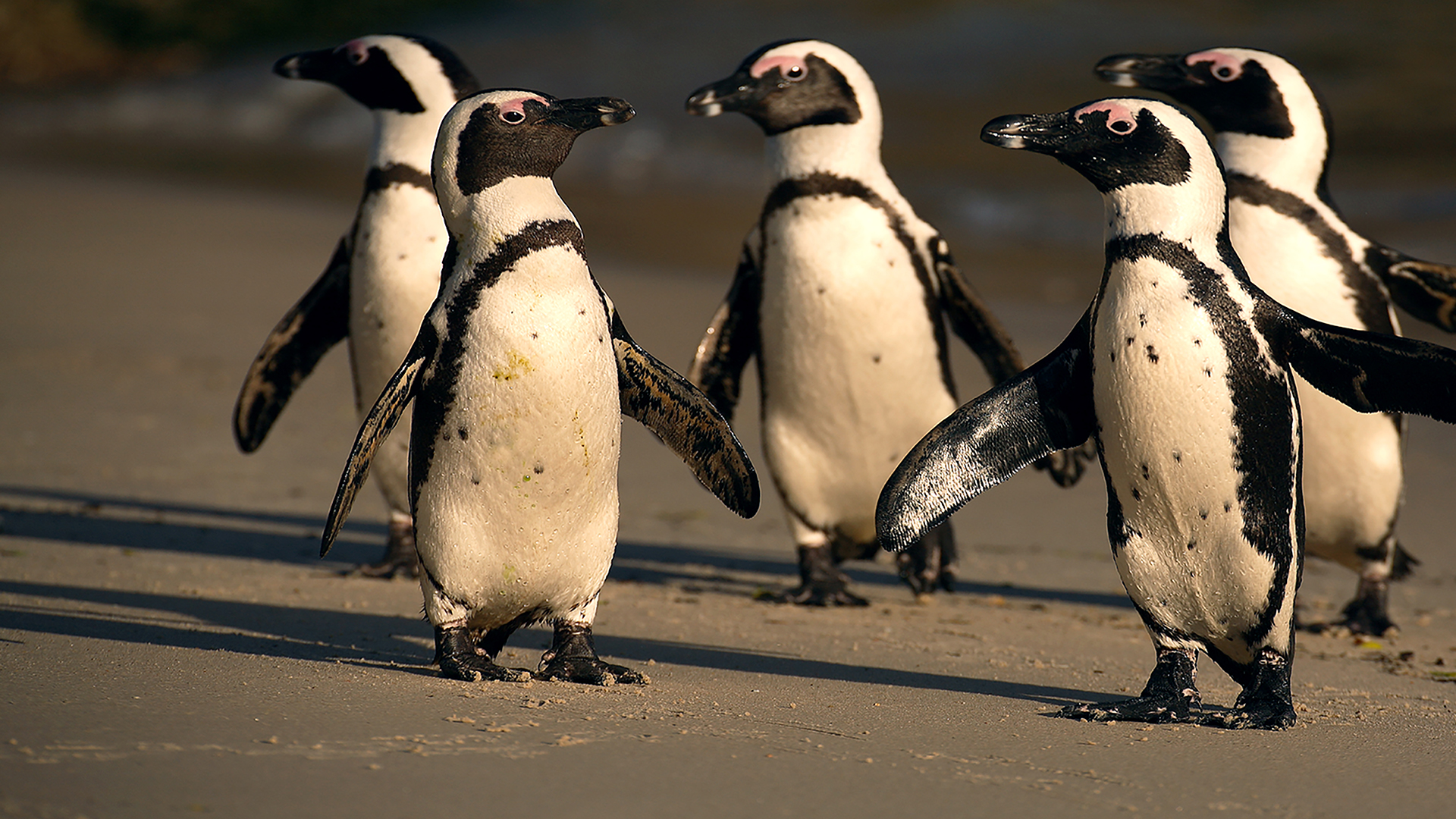
As it flows north from Patagonia to the equator, the Humboldt Current is a liquid force which enables life in the sea and on land. We’re following a female blue whale on her ancestral migration, and she has reached Chile’s central coast. She’s about 1/3 of the way through her migration, feeding on the krill that thrives in cold water. Just beyond the rocky beach, the world’s smallest otter also trawls the Current. Chungungos keep the lush ecosystem balanced by eating creatures that prey on the kelp itself, and females hunt for pups left behind on land. Pups are voracious, and mother otters’ work is never done. A colony of Southern sea lions can be heard from miles away. Dominant males rule harems of up to 30 females. Newly mature bulls challenge dominant males for the chance to mate, while diligent moms do their best to whisk pups out of the path of destruction. 85 percent of the world’s endangered Humboldt penguins call Chañaral home, hiding their eggs in burrows among the thorns and scrub. Their dens dot the island’s sheer cliffs, so the penguins must trek up and down these impossible walls everyday to fish. Inland, in the Atacama Desert, a lonely guanaco is searching for a friend - or even a mate. Peruvian boobies always create their colonies to the east of their best fishing location … and no one knows why. When there is a change on the sea’s surface, the female boobies know what it means. Anchoveta are running and have formed a bait-ball. The spectacle doesn’t last long and no one knows when it will repeat. The Humboldt Current is generous, but it is also mercurial. A new sea lion pup nearly drowns but his protective mother manages to save him - this time. It’s time for our female blue whale to leave central Chile. It’s been two months since she left Antarctica, and in another two she will rendezvous with her future. We can’t know if she’s pregnant and will give birth soon, or if she’s on this journey to mate, but both can only happen in tropical water -- she’s got a long way still to go.
3. Arrival
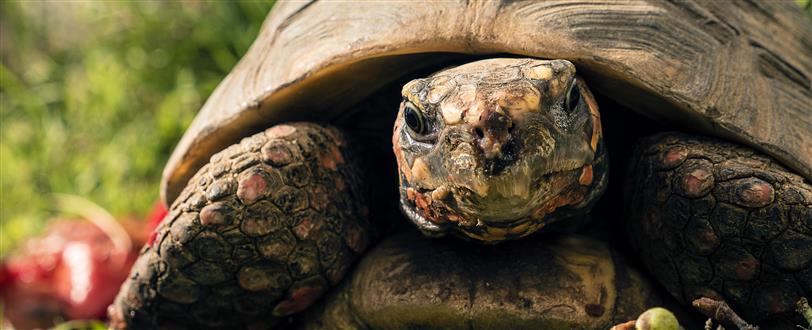
As it flows north from Patagonia to the equator, the Humboldt Current is a liquid force which enables life in the sea and on land. A female blue whale is the avatar we first meet in the chilly seas at the southern tip of Chile, and we’ll follow her ancestral migration throughout the episode and the series as we see how the current forms and where its influence is most strongly felt. Once the Current passes by Chile and runs along the Peruvian coast, we’ll see some of the same species that we met in Episode Two ... but in a different context. We’ll enter a Guanay cormorant colony that seems straight out of science fiction because there are so many birds it’s tough to see land. Both marauding seagulls and sneaky Humboldt penguins must cross through the colony to satisfy their needs. Once the penguins reach the sea, they must avoid bachelor sea lions looking for trouble. There are new species here, like the Inca tern, that practice a bizarre courtship involving offering a dead fish to prospective mates. Once we veer away from land, when the Current lazily heads towards the open ocean, we encounter our first coral reefs and colorful fish. Soon our blue whale leads us to the Galapagos Islands, which are still volcanically active today. With plenty of unusual, endemic species, we’ll see evolution in action and meet modern-day dinosaurs that call these islands home. Rare, waved albatross fledglings practice their flying skills above marine iguanas and lava lizards while their parents indulge in elaborate head-bobbing and hopping mating rituals nearby. Plants on the Galapagos Islands are as unique as their fauna, and huge “daisy trees” are found nowhere else in the world. After meeting the smallest penguins in the world - the Galapagos species - we’ll find our way to the massive, prehistoric Galapagos tortoise. Munching their way up and down the volcanic slopes of Alcedo volcano, one enterprising male decides it is time to mate. This episode is about renewal and rebirth ... on the land and in the sea.