Nature & Wildlife
Wild Germany: Exploring No Man's Land
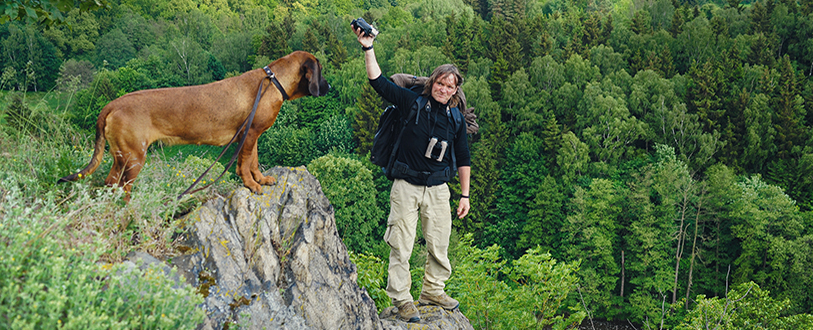
From Hof to the Baltic Sea, Andreas Kieling – one of Germany’s best-known wildlife filmmakers – hikes along the former border between East and West Germany, to discover the nature, the landscape and the people that live there.
From Hof to the Baltic Sea, Andreas Kieling – one of Germany’s best-known wildlife filmmakers – hikes along the former border between East and West Germany, to discover the nature, the landscape and the people that live there.
- Production Company
- Off the Fence
- Duration
- 5x60'
- YOP
- 2009
- Definitions
- HD, SD
- Content Type
- Series
- Character-led
- Travelogue
Synopsis
From Hof to the Baltic Sea, Andreas Kieling – one of Germany’s best-known wildlife filmmakers – hikes along the former border between East and West Germany, to discover the nature, the landscape and the people that live there. The border has vanished in many places and instead there’s a blossoming green belt of German nature.
Wild Germany: Exploring No Man's Land
1. From the border triangle to the Coburg region
A beautiful, varied landscape with meadows, forests and sometimes rugged slate mountains. It is often still cold in spring, but the special nature and the surprises of its residents make up for the hardship.
2. Hohe Rhön and wide Werra valley
The Rhön, with its basalt rocks of volcanic origin and the largest raised bog in Europe, can best be admired from a glider. The wealth of the Werra valley lies in the salt that is extracted from salt mountains such as the "Monte Kali".
3. Harz wilderness
Together with the Brocken, the Harz is the highest mountain range in northern Germany. Rare wild animals such as the shy ruler of the forest, the lynx and the elegant wood grouse live in the unspoilt forests of the former border region.
4. Berlin. Island of contrasts
The silhouettes of the big city form an interesting contrast to the idyllic Brandenburg landscape on the borders. Wildlife is returning to the city's parks, and it's time to discover nature in the metropolis.
5. Mecklenburg-Western Pomerania and Schleswig Holstein
The two northernmost parts of Germany are only sparsely populated, and nature is pristine here. The Elbe shapes the landscape in the border area, dreamy lakes in Mecklenburg-Western Pomerania and offshore islands attract tourists.